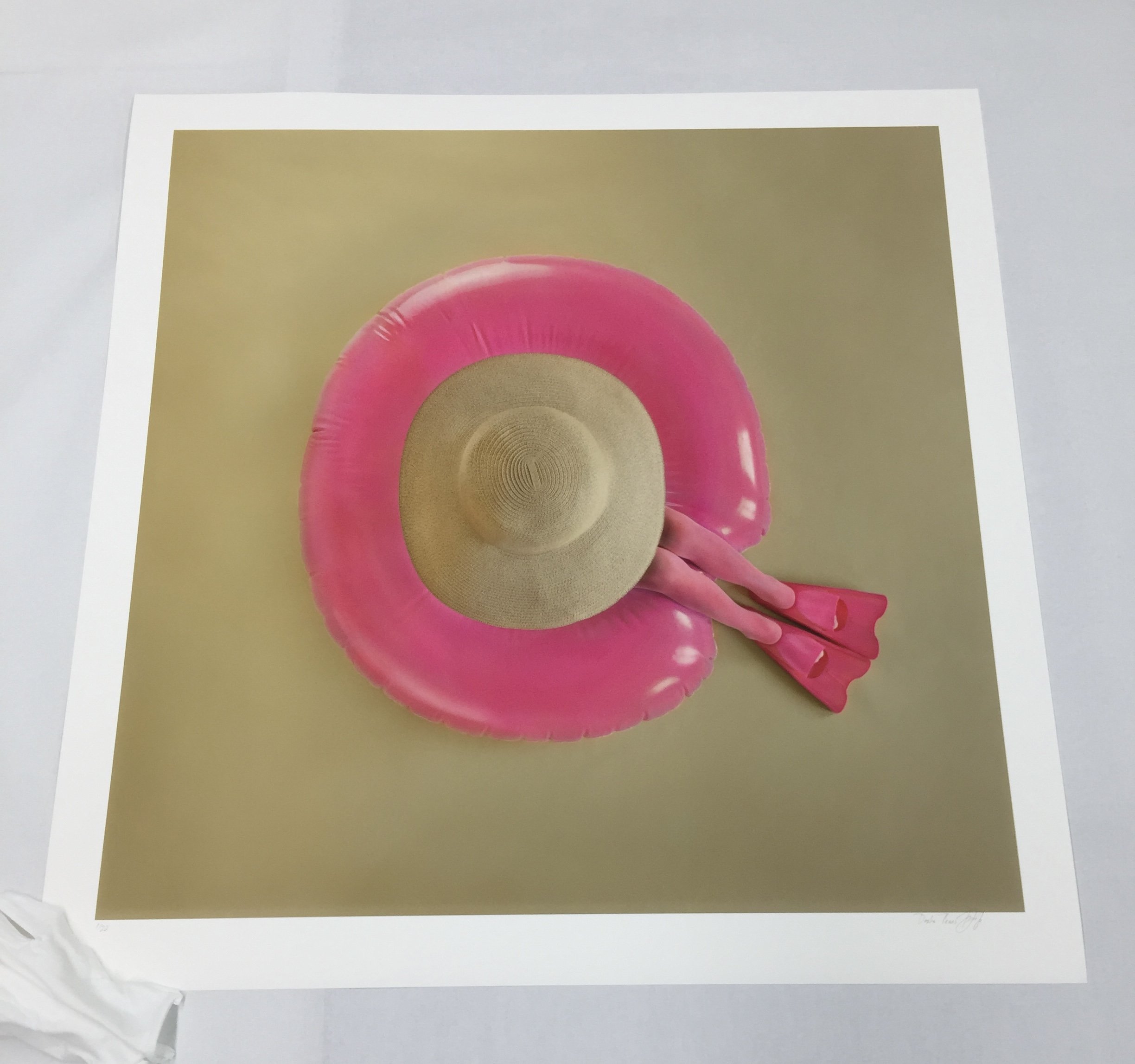
The artwork got an Honorable Mention in the 17th Julia Margaret Cameron Award.
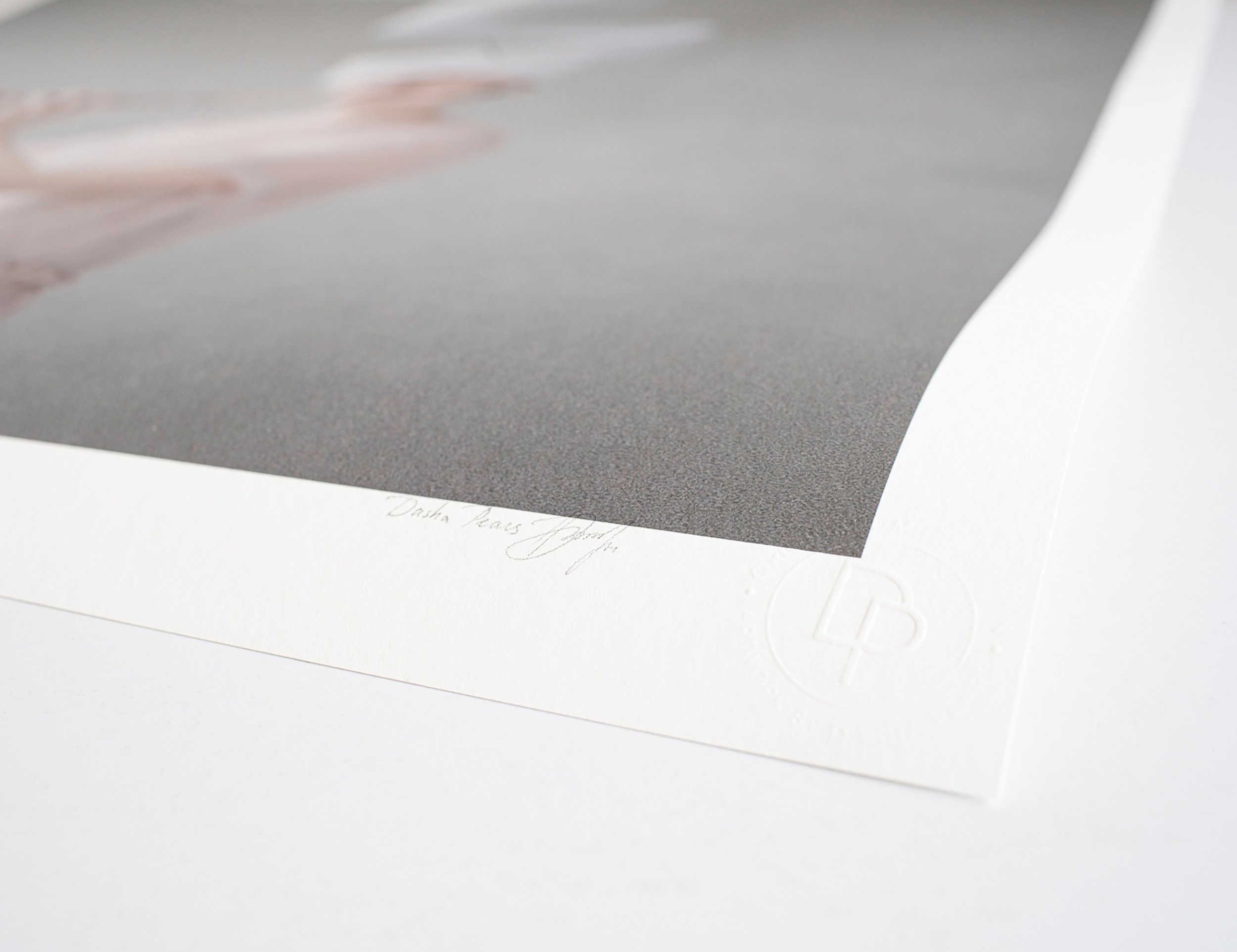
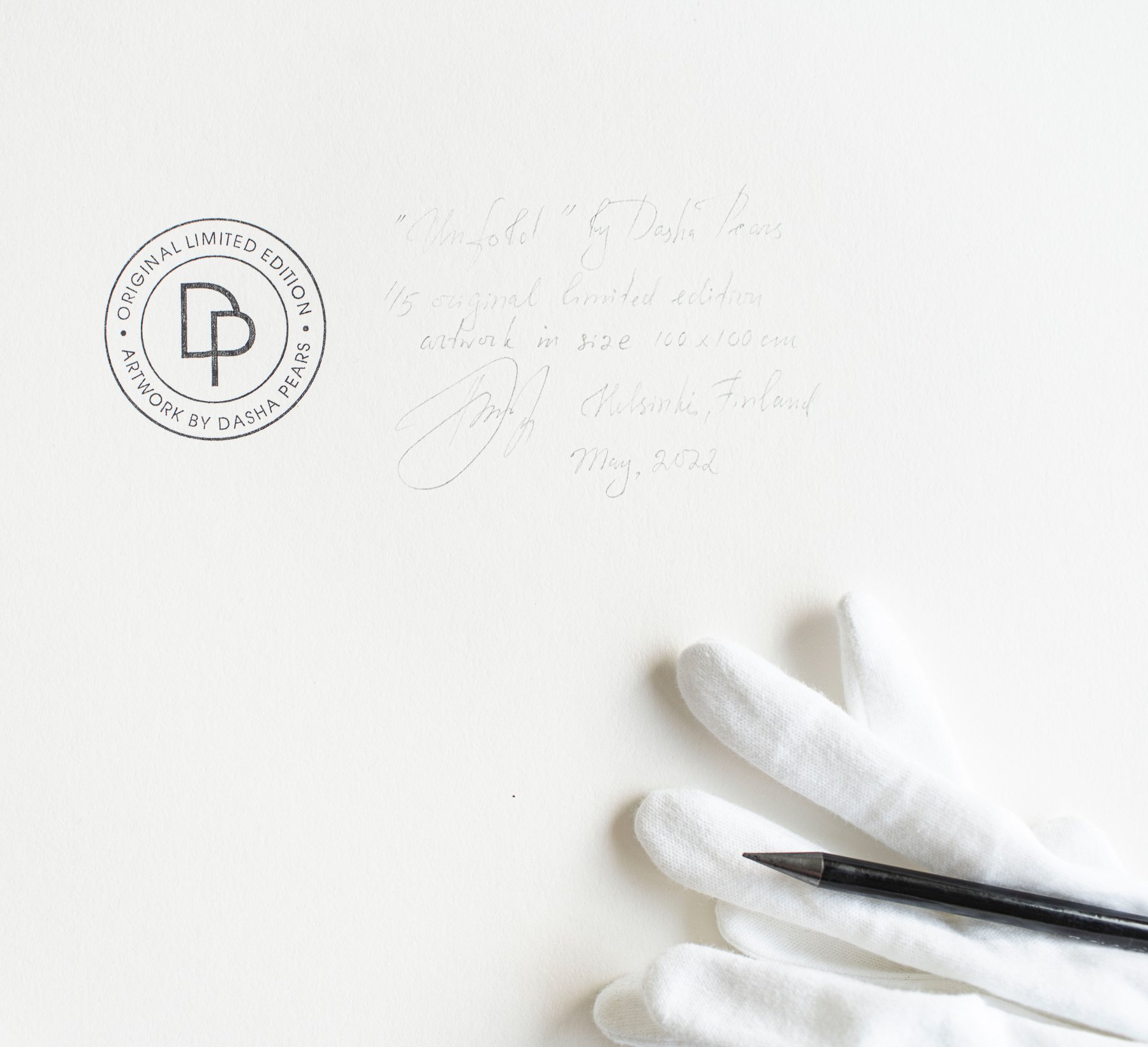
The artwork is produced on museum-quality Hahnemühle Bamboo FineArt Paper (290 gsm, 90% bamboo fibers, 10% cotton), signed and numbered on the front and on the back, embossed with an authenticity stamp, and comes with a signed and numbered certificate of authenticity.
Available in sizes and editions:
“White Glove Premium“ (any size) - €7800 — includes museum-quality framing, private consultation call on the type of frame and matting, white glove delivery with full insurance, archival premium packaging, behind-the-scenes booklet, and a personalised video story about the creation of the piece, told by the artist herself.
or framed under museum glass with wooden frame (edition #4 of 88 in size 30×30cm), signed and numbered on the front and on the back, embossed with an authenticity stamp, comes with a signed and numbered certificate of authenticity.
100 x 100 cm (39.4 x 39.4 in.) - #3 of 5 - €1480
70 x 70 cm (27.6 x 27.6 in.) - #2 of 22 - €1180
50 x 50 cm (19.7 x 19.7 in.) - 8 - €780
Framed 30 × 30 cm (11.8 × 11.8 in.) - 1 - €480
30 x 30 cm (11.8 x 11.8 in.) - #2 of 88 - €280
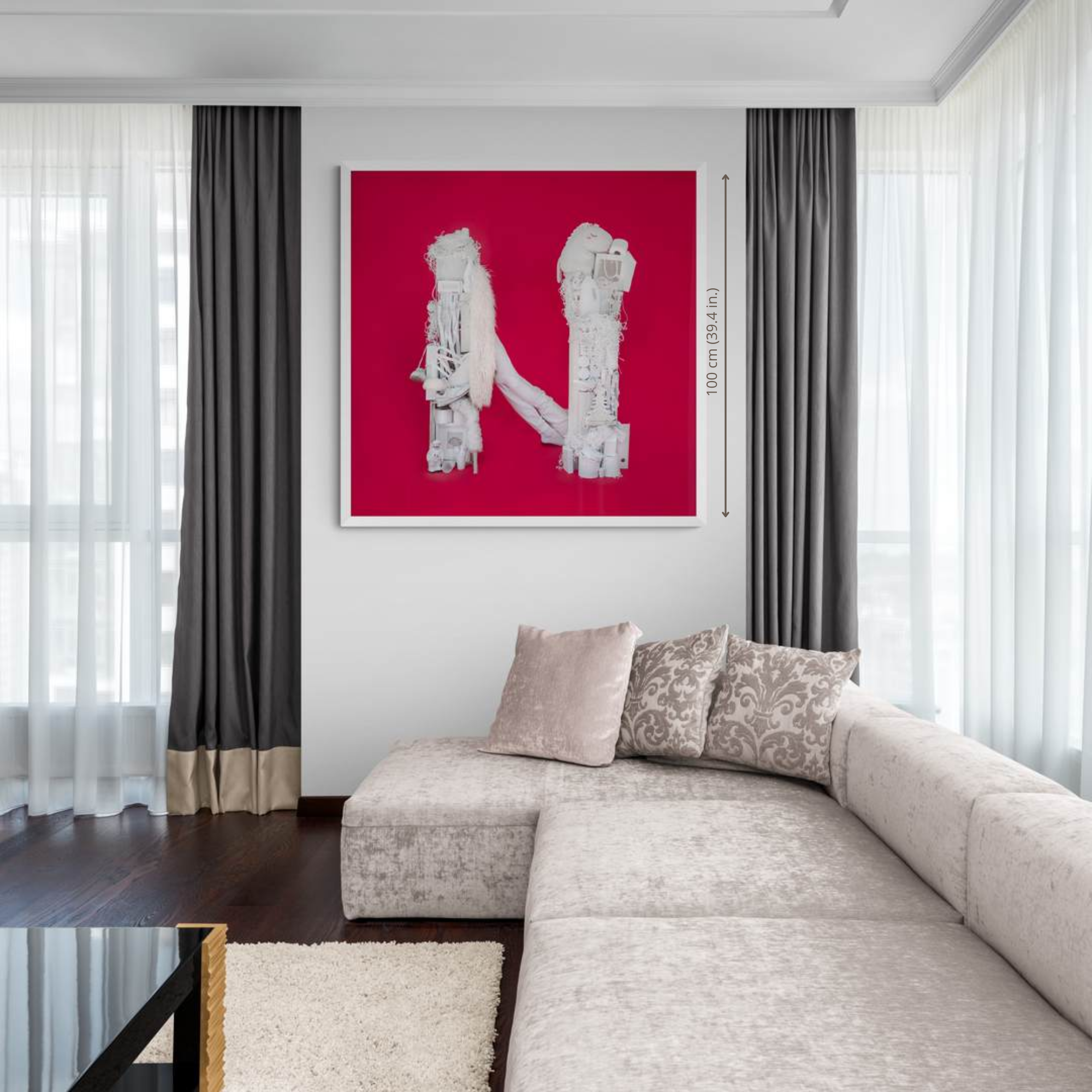
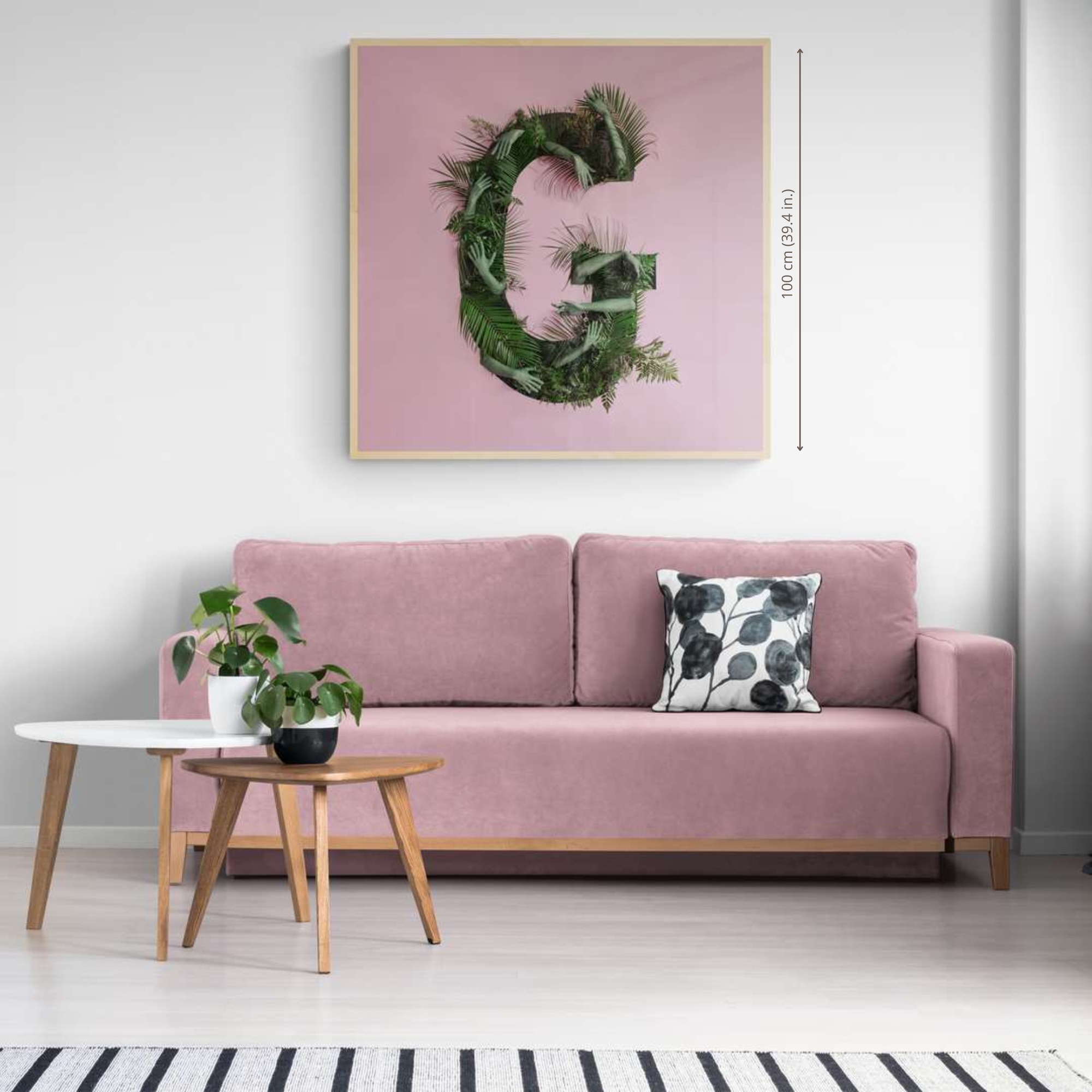
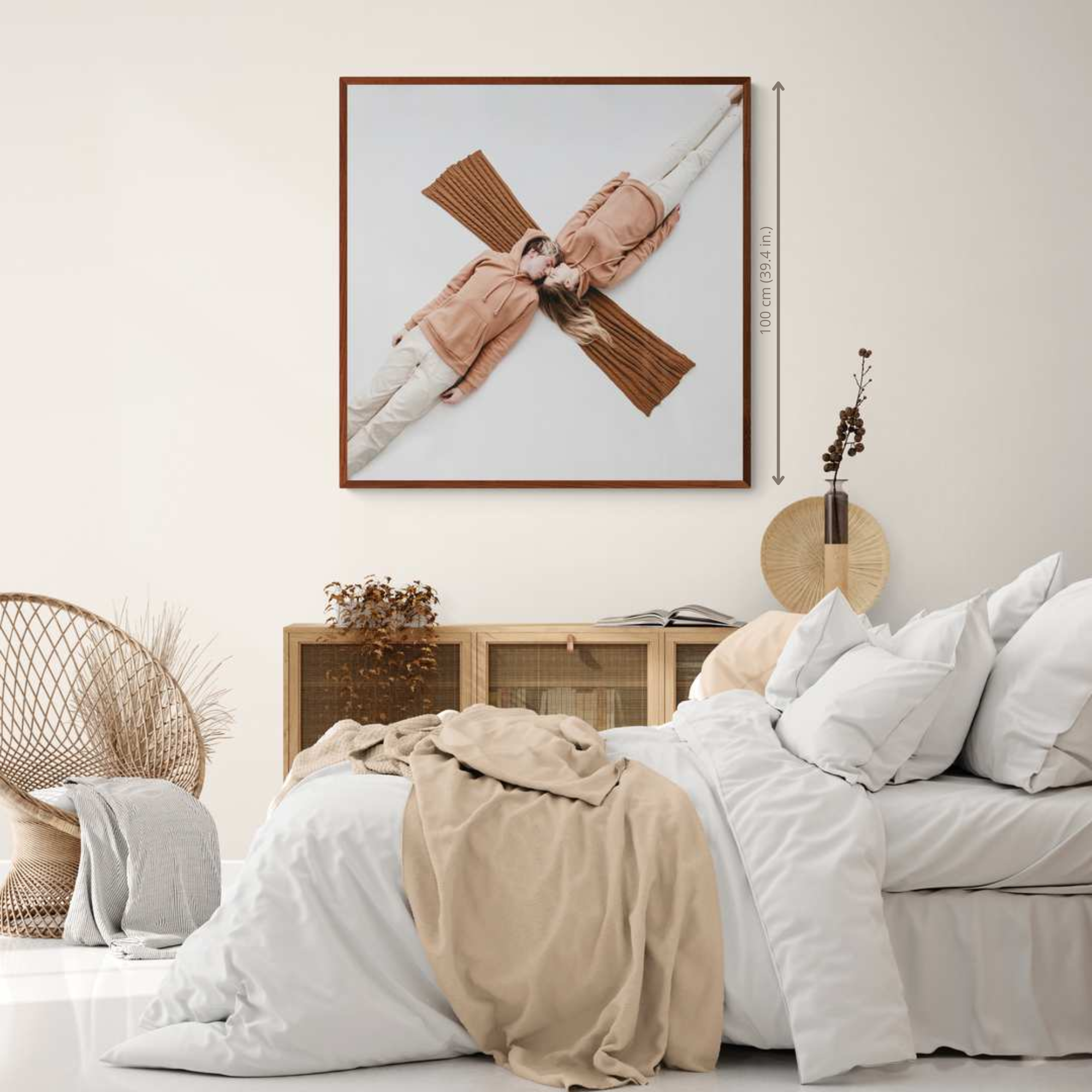
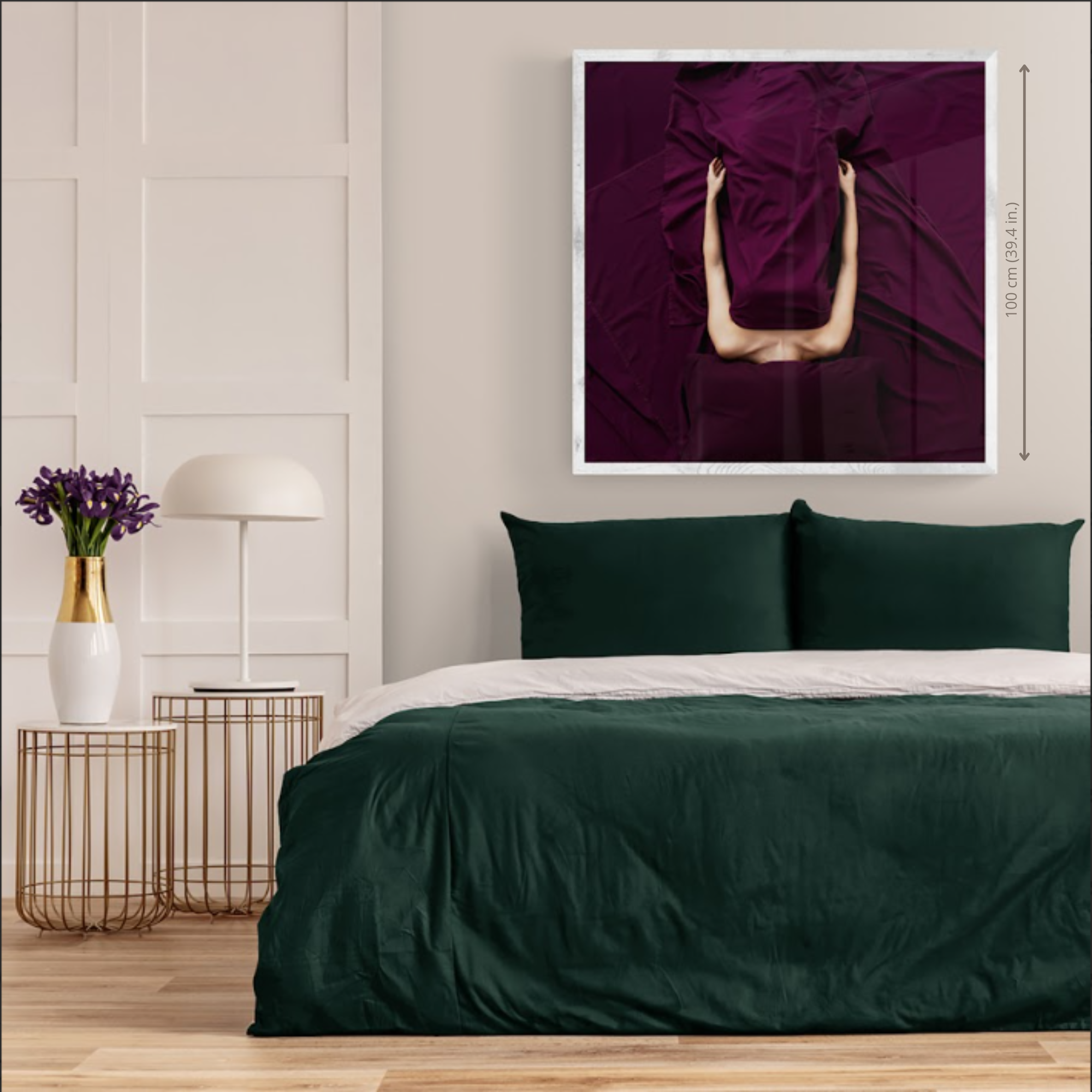
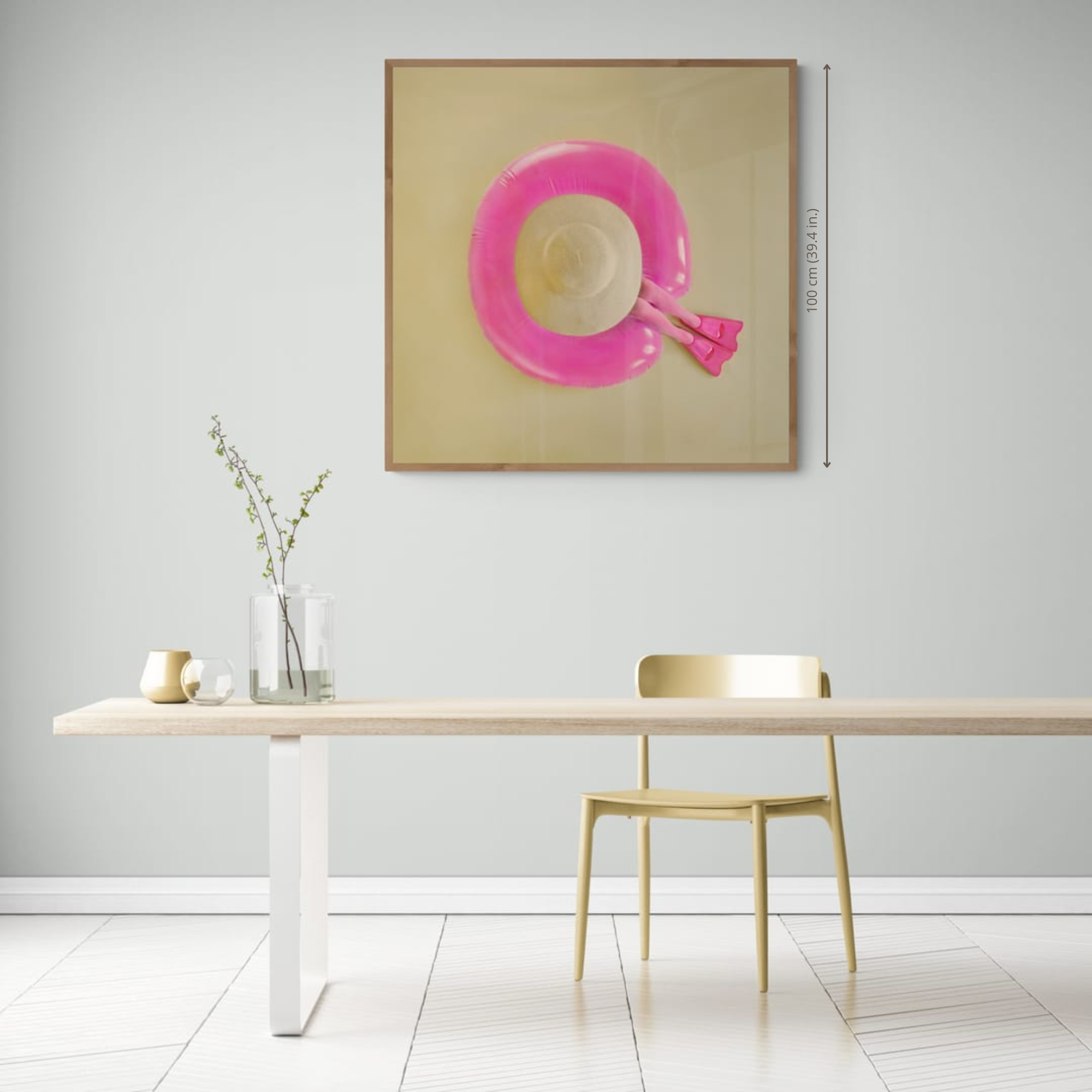
From my project “Synesthetic Letters”
Synesthesia is a perceptual phenomenon in which stimulation of one sensory or cognitive pathway leads to automatic, involuntary experiences in a second sensory or cognitive pathway. In grapheme-color synesthesia, individual letters of the alphabet and numbers are associated with specific colors and sometimes colorful patterns. While different individuals usually do not report the same colors for all letters and numbers, studies with large numbers of synesthetes find some commonalities across letters (e.g. A is likely to be red). A number of artists, writers, and scientists had synesthesia, among them Vincent Van Gogh, Wassily Kandinski, Vladimir Nabokov, Nicola Tesla, etc. Some synesthetes are reported to have learned how to apply their ability in daily life and work, for example, have used their abilities in memorization of names and telephone numbers, mental arithmetic, and more complex creative activities like producing visual art, music, and theater.
The artwork got an Honorable Mention in the 17th Julia Margaret Cameron Award.
The artwork is produced on museum-quality Hahnemühle Bamboo FineArt Paper (290 gsm, 90% bamboo fibers, 10% cotton), signed and numbered on the front and on the back, embossed with an authenticity stamp, and comes with a signed and numbered certificate of authenticity.
Available in sizes and editions:
“White Glove Premium“ (any size) - €7800 — includes museum-quality framing, private consultation call on the type of frame and matting, white glove delivery with full insurance, archival premium packaging, behind-the-scenes booklet, and a personalised video story about the creation of the piece, told by the artist herself.
or framed under museum glass with wooden frame (edition #4 of 88 in size 30×30cm), signed and numbered on the front and on the back, embossed with an authenticity stamp, comes with a signed and numbered certificate of authenticity.
100 x 100 cm (39.4 x 39.4 in.) - #3 of 5 - €1480
70 x 70 cm (27.6 x 27.6 in.) - #2 of 22 - €1180
50 x 50 cm (19.7 x 19.7 in.) - 8 - €780
Framed 30 × 30 cm (11.8 × 11.8 in.) - 1 - €480
30 x 30 cm (11.8 x 11.8 in.) - #2 of 88 - €280
From my project “Synesthetic Letters”
Synesthesia is a perceptual phenomenon in which stimulation of one sensory or cognitive pathway leads to automatic, involuntary experiences in a second sensory or cognitive pathway. In grapheme-color synesthesia, individual letters of the alphabet and numbers are associated with specific colors and sometimes colorful patterns. While different individuals usually do not report the same colors for all letters and numbers, studies with large numbers of synesthetes find some commonalities across letters (e.g. A is likely to be red). A number of artists, writers, and scientists had synesthesia, among them Vincent Van Gogh, Wassily Kandinski, Vladimir Nabokov, Nicola Tesla, etc. Some synesthetes are reported to have learned how to apply their ability in daily life and work, for example, have used their abilities in memorization of names and telephone numbers, mental arithmetic, and more complex creative activities like producing visual art, music, and theater.