

Psychorealism: the reality of the invisible
We spend our lives learning to describe the outside world. I am interested in the inside one. Every artwork begins with a psychological state: doubt, peace, hope, overwhelm, courage, surrender. I simply make it tangible.
Remove the noise. See clearly.
The Philosophy Behind the Aesthetic
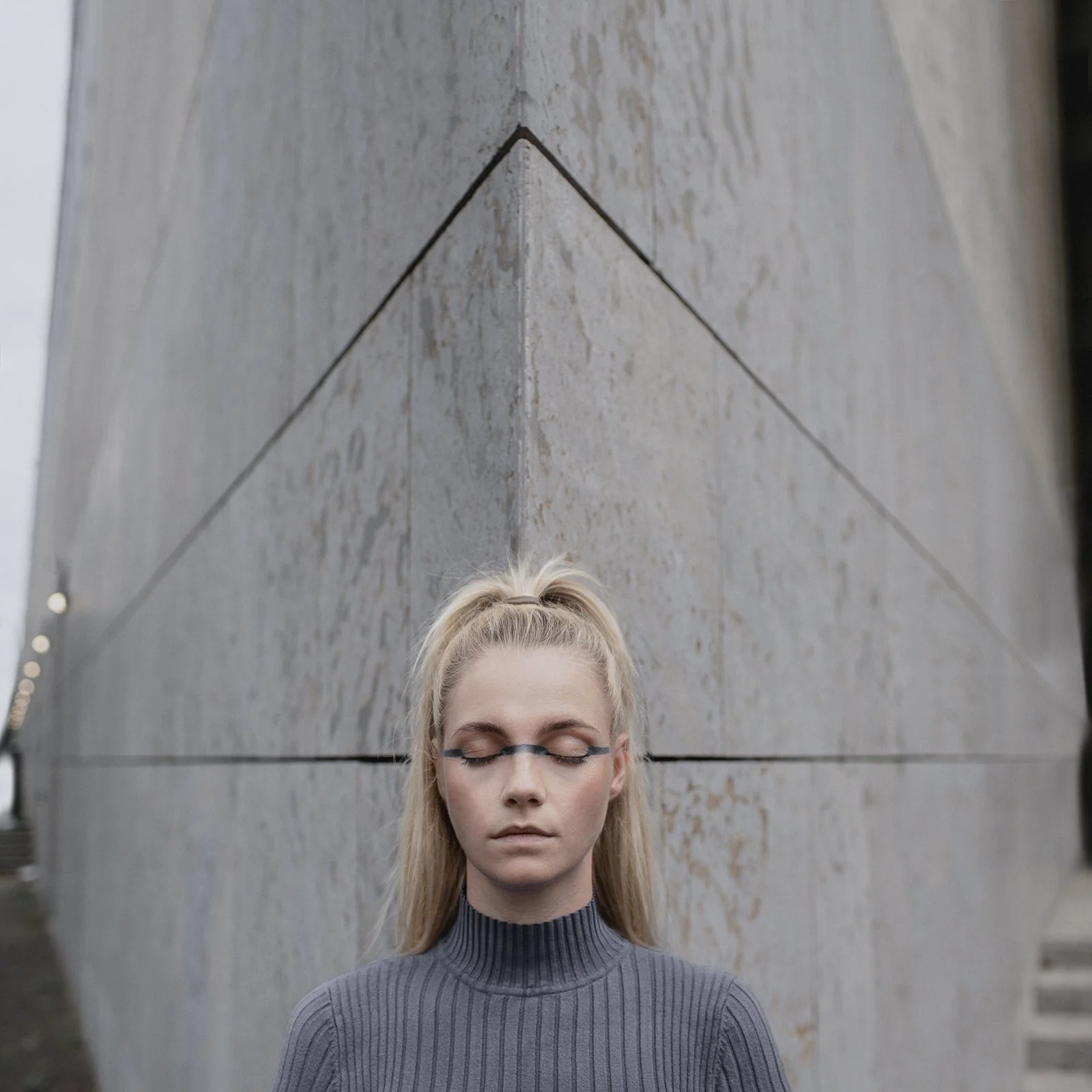
Every visual decision serves a purpose. Simplicity creates space. Geometry creates order. Rhythm slows the eye. A restrained colour palette encourages focus. Together, these elements invite you to pause, look longer, and discover meaning beyond the obvious.
Why minimalism?
Because there is already enough noise in the world; when everything competes for your attention, it's difficult to think, feel, or notice what matters. By removing distractions, I hope to create space for reflection. Minimalism isn't about having less. It's about making room for more.
Why geometry, symmetry & rhythm?
Our minds naturally look for patterns. Geometry, symmetry and repetition create a sense of order and familiarity that invites us to slow down. Beyond their visual harmony, these forms are deeply symbolic and have carried meaning across cultures for centuries.
Why so few colours?
Colour shapes emotion. By limiting the palette, I remove competing signals and allow a smaller number of emotions to come forward. Fewer colours create focus, making it easier to stay with a feeling rather than constantly shifting between many.
Why photography?
Photography is deeply connected with reality. Every person, object, landscape, and texture in my artworks once existed in front of my camera. Starting from reality allows even the most surreal scenes to remain believable. Psychorealism lives in the space between what we recognise and what we feel.
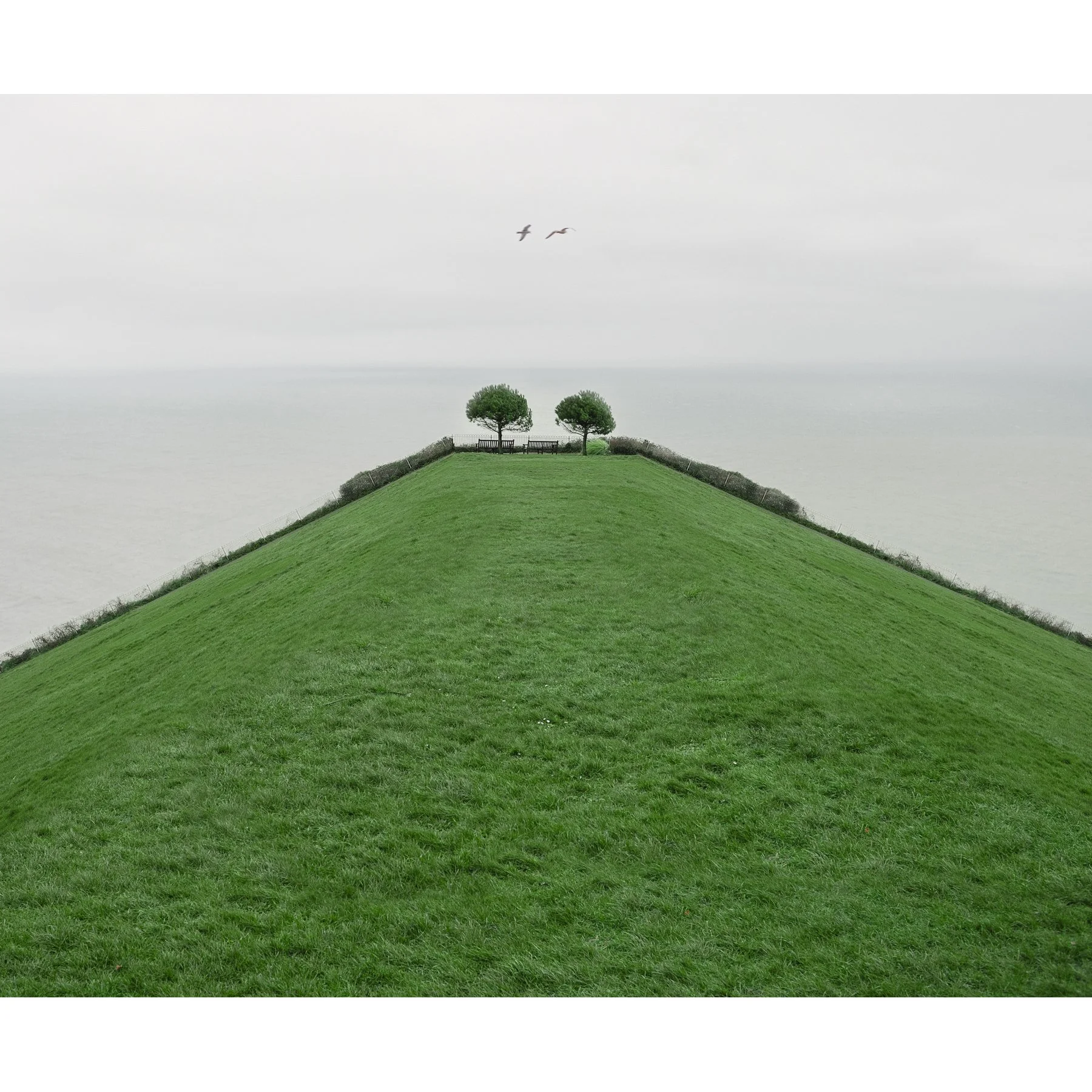
Surprise is what matters the most
The Language of Meaning
Not everything we experience can be shown literally. Emotions, memories, hopes, and fears often resist words, and sometimes reality itself isn't enough to express them. Psychorealism uses surrealism, symbolism, and short reflections to give form to what is usually invisible.
Why surrealism?
Reality is often too literal to describe what happens inside us. By combining familiar elements in unexpected ways, I create scenes that feel impossible, yet emotionally true.
There’s a quote that goes: “One’s mind, once stretched by a new idea, never regains its original dimensions.”
It means that new thoughts, new ideas, and perspectives permanently change the way we see the world. Our thought process becomes different once we have a new idea with which to play. So I like finding those new ideas, playing with them, and surprising myself along the way.
For my work to be successful, it has to be surprising. If it’s not, I don’t really like it; I feel like it’s missing something. There are millions of people taking beautiful photos; I don’t want to be one of them. I want my work to catch your eye and attention and make you wonder: what? why? how? I want to move your horizons of possibility so that you go on to the new spaces in which your mind can play.

Symbols help you make the picture you see your own and add something of your personality, background, or views.
So it stops being just mine. There’s no point in creating just for yourself.
Why symbols?
Symbols speak differently to everyone. Rather than offering one fixed interpretation, they invite you to bring your own experiences, memories, and emotions into the artwork. The meaning becomes personal. And this is the goal.
Birds
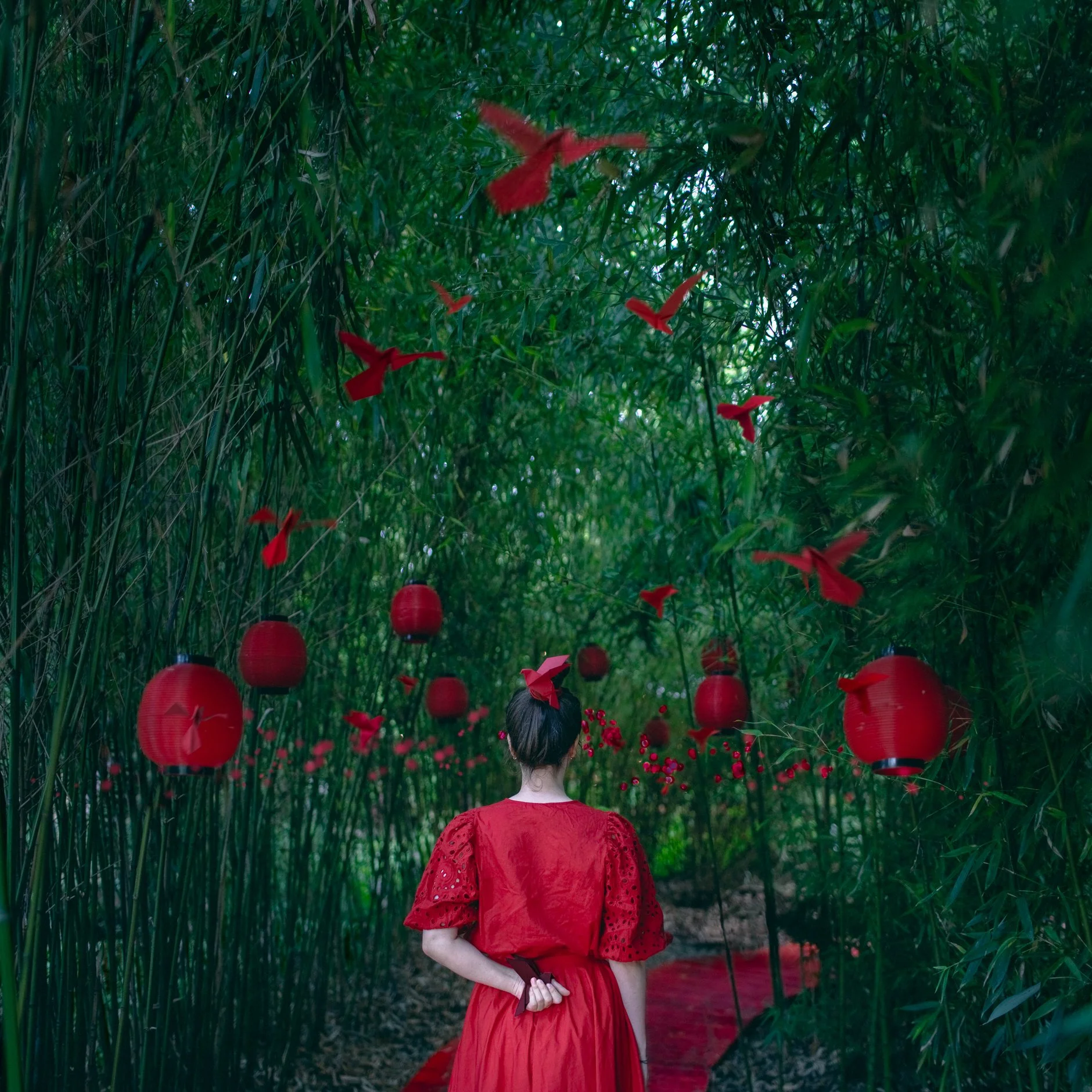
They are free and wise. They react to change but have an internal compass. They are symbolic and can be interpreted in dozens of ways by different viewers, so their presence adds meaning to my work, and that meaning will be unique to you.
To me, birds are also symbolic expressions of our soul (for lack of a better word); they seem to personify the internal observer that notices all the calamities going on in your head, seeing them for what they are without judgment, and helping you to let go.
Circles or spheres
are a representation of universality for me. They are comforting, cozy, and make me think of home. Not in a sense of some building in some city, but rather some feeling or atmosphere of a warm embrace that keeps you safe and calm in any place, no matter what. It can be a bubble, or a rabbit hole, or a womb, or a nest. It’s just nice to know that you can always have it and even be that for someone else.
An Artwork isn't completed by the artist alone: it comes alive through the viewer's experience
Why captions?
Stories, the short captions that I try to add to every work, are not explanations; rather, they invite you to step deeper into the mystery of the unknown and entertain yourself with new thoughts on either a familiar or unfamiliar topic. Everyone says that they want to know the secret behind the trick, but in reality, knowing the secret destroys the magic; being in the dark about something and not knowing everything is what keeps us going.

Constructing the Impossible
Every artwork starts with an idea, a psychological state, or a question I can't stop thinking about.
I photograph every element myself. Sometimes that means building props, folding hundreds of paper birds, working with models, waiting for the right weather, or travelling to a specific location. Other times it means creating something in the studio that exists nowhere else.
Only after that does the digital process begin. Photoshop is where these separate photographs become one image. It allows me to combine fragments of reality into a scene that could never exist physically, but can exist emotionally.
The software is a tool, much like a painter's brush or a sculptor's chisel. The artwork is not generated by the software; it is constructed through months of concept development, photography, experimentation, and refinement.
Artificial intelligence is not part of my creative practice. Every element in every artwork has been conceived, photographed, and composed by me. That may evolve in the future as technology changes, but today my work remains entirely human-made.
Where the Story Continues
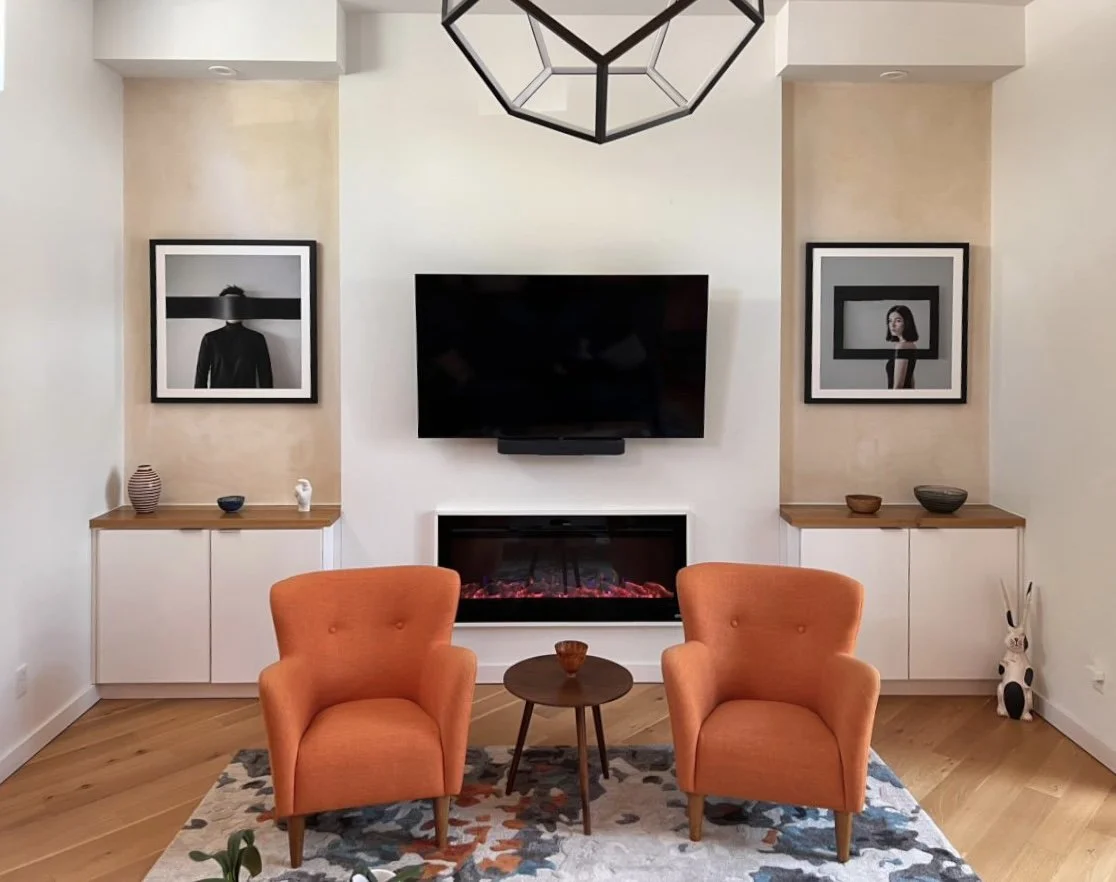
An artwork doesn't end when it leaves my studio. It begins a new chapter in someone else's home.
Over time, collectors discover new details, new meanings, and new conversations within the same image. Here are some of their experiences.
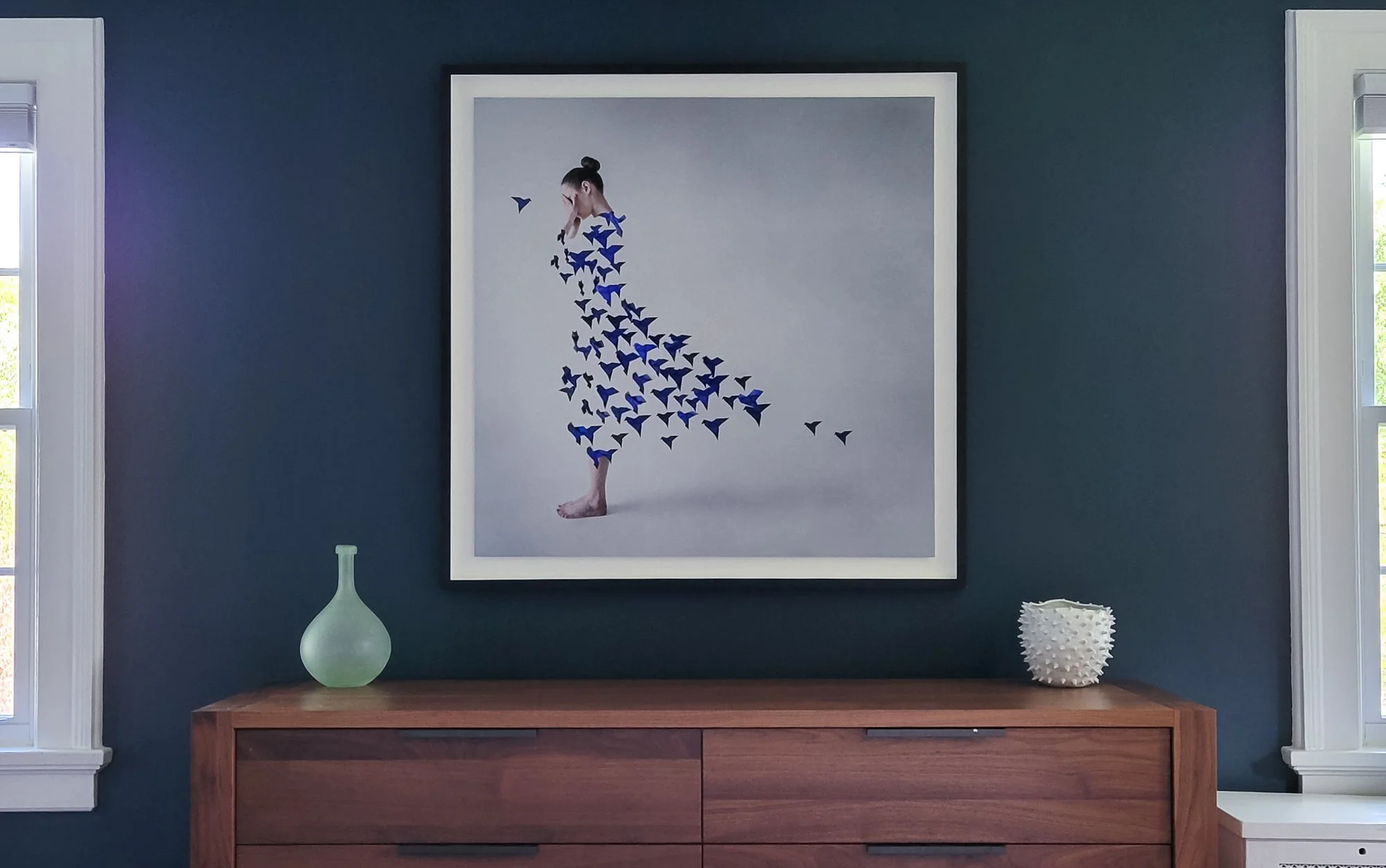
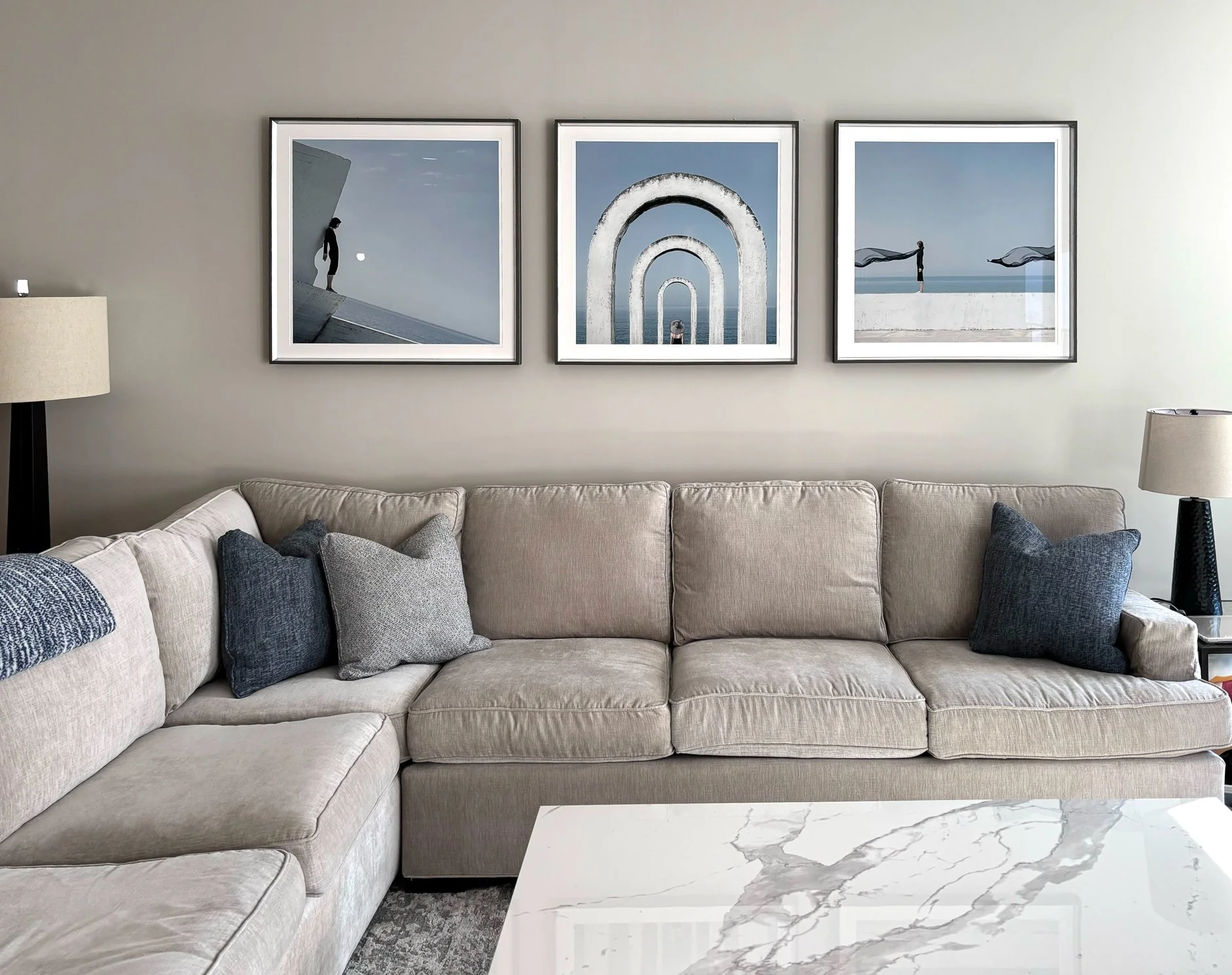
“The wonderful thing about Dasha’s art is how it evokes imagination — offering an altered view, a different lens through which the ordinary transforms into the extraordinary.”
—Carmen B., Spain
"I often sit near it while writing on my laptop... I look at this piece daily to remind me to persevere."
—Jennifer M., NY
"It has been fueling my days with inspiration and joy ever since I first saw it."
— Therese R. NYC
"The message behind your work comes through strong and clear, with a tender note of melancholy that goes straight to the heart."
— Matilde, Italy